Snake Shedding Problems: Retained Eye Caps and Tail-Tip Shed, Causes and What to Do
A snake normally sheds its skin in one complete piece, starting from the clear scale over the eyes (the spectacle) and peeling off from head to tail. But humidity or nutrition problems commonly cause the shed to come off in scattered pieces or leave part of it stuck behind — this is called dysecdysis (incomplete shedding). It's especially important to catch this early: a retained eye cap can cloud vision or lead to infection, and a retained ring of shed around the tail tip can cut off circulation and progress to necrosis.
Why it happens
The most common cause is insufficient enclosure humidity. Humidity needs to be raised above normal during a shed cycle for the skin to come off smoothly in one piece — in a dry enclosure, the shed tends to dry out and come away in fragments instead. Other causes include:
- Dehydration: If the water dish runs low or the snake isn't drinking enough, the skin itself becomes dry and shedding gets harder.
- Nutritional deficiency: A lack of vitamin A and other nutrients can disrupt skin regeneration and the shed cycle.
- Old wounds or burn scars: Scar tissue doesn't shed smoothly like normal skin, so it can get stuck in the same spot every time.
- Snake mite infestation: Mites irritating the skin can also trigger shedding problems.
What to check
- A cloudy, retained cap over the eye (spectacle): If it doesn't shed normally and builds up in layers, vision gets cloudier and the risk of bacterial infection rises.
- A ring of retained shed around the tail tip: As it tightens, it can cut off circulation and, if left alone, progress to necrosis.
- Patchy pieces of shed stuck to the body: A sign the shed came off in several pieces instead of one.
- A shed cycle that drags on longer than usual, or happens in multiple stages: Normally it finishes in one go within a few days.
What you can check at home
- Measure enclosure humidity: Check the actual humidity with a hygrometer and compare it to the proper range for your species.
- Do a full visual check: In good light, look closely around the eyes and tail tip for any retained shed.
- Warm-water soak: Soak in water around 30°C for 20-30 minutes and watch whether the retained skin softens and comes off naturally.
When to see a vet
Dysecdysis itself is usually a slow, chronic issue you notice over time, so a single shed that came off in pieces isn't a reason to rush to the emergency room. You can adjust the humidity and watch how the next shed goes.
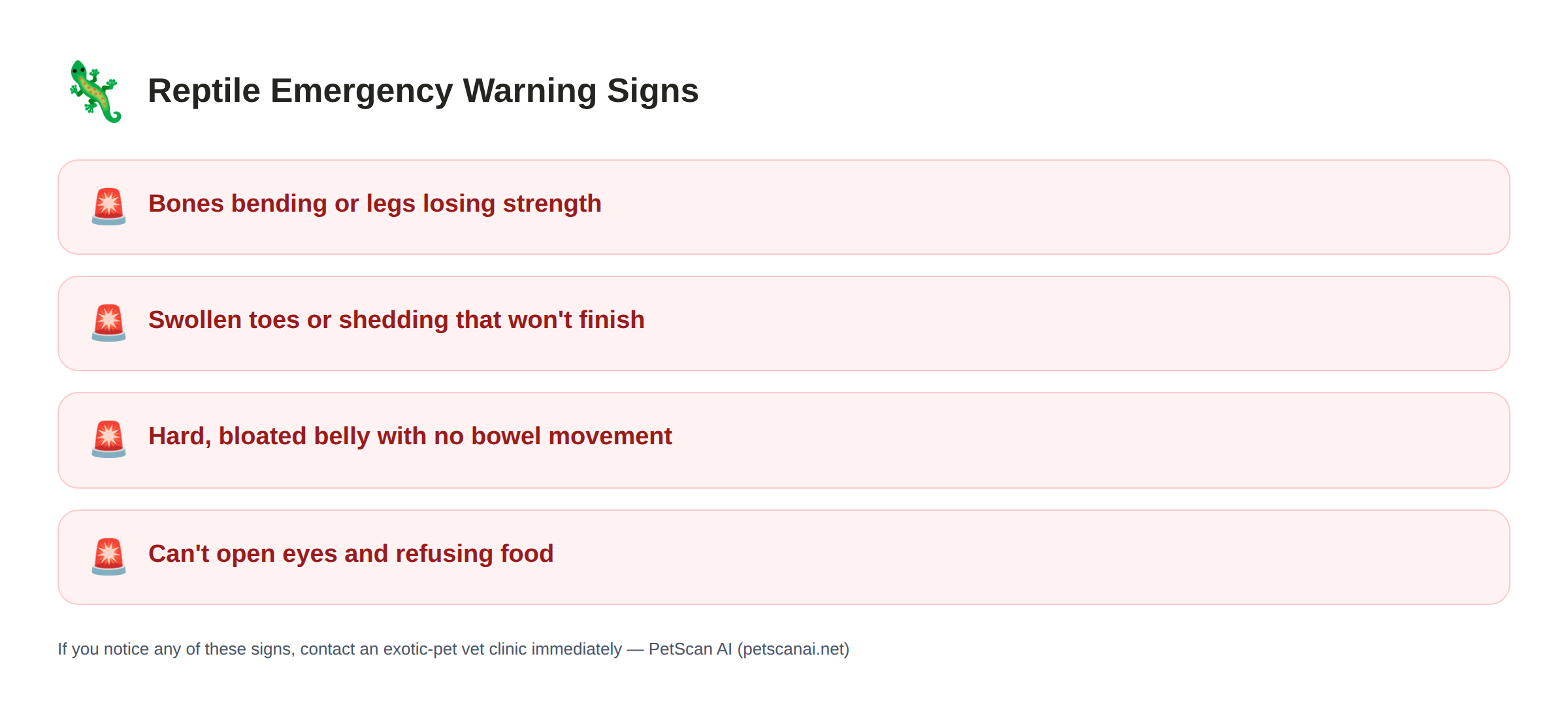
There's an exception, though. Contact a vet right away if the eye cap fails to shed across two sheds in a row, or if a retained tail-tip shed comes with discoloration or swelling. If circulation is being cut off, it can become harder to reverse the longer it continues.
Diagnosis can often be made from a visual exam alone, and treatment typically involves softening the retained skin with a warm-water soak before a vet safely removes it. When several layers have built up over the eye, forcing it off can damage the cornea, so professional care may be needed. To prevent recurrence, it's important to keep enclosure humidity and water access well maintained day to day. The exact course of treatment is entirely up to your vet's judgment.
🏥 Find a vet that treats exotic pets →
Frequently Asked Questions
There's white, retained skin on my snake's eye — do I need to go to the vet right now?
A single shed where the eye cap didn't come off on its own isn't an emergency. But if it's still there at the next shed too, or fails to clear across two sheds in a row, it can lead to vision problems or infection, so a vet visit is needed. If a retained tail-tip shed also comes with discoloration or swelling, that can mean blood flow is being cut off, so you should act sooner.
What can I check at home before going to the vet?
Check with a hygrometer that your enclosure's humidity is within the proper range for your species, and soak your snake in lukewarm water around 30°C for 20-30 minutes to help soften the retained shed. Don't forcibly peel at the eyes or tail tip, or pull with tweezers — that can damage the skin or the eye.
Wondering how your pet is doing right now? Check in 3 seconds with a photo.
Free AI scan →Related guides
Leopard Gecko Dysecdysis (Poor Shedding): Causes and What to Do · Reptile Belly Hard and Not Passing Stool? How to Check for Impaction · Transporting a Sick Exotic Pet to the Vet: Carrier Setup and Keeping Them Warm
← Back to scanner · Care Guides · About · FAQ
📄 Printable summary of this guide — Emergency checklist PDF

This guide is provided by PetScan AI (petscanai.net). Scan the QR code to check your pet with AI right away.