Bearded Dragon Not Eating and Black Beard: Causes and What to Do
When a bearded dragon skips pellets or insects for several days, it's understandably worrying. Fortunately, most cases of appetite loss are caused by environmental or seasonal factors rather than disease. Still, a few warning signs do mean a vet visit is needed, so it's important to tell them apart.
Common causes
- Insufficient temperature: a low basking spot temperature impairs digestion and reduces appetite. The basking spot should generally sit around 38-42°C.
- Brumation (a hibernation-like slowdown): in adult bearded dragons, reduced activity and appetite in fall/winter is a natural occurrence.
- Pre-shed appetite loss: it's also common for appetite to temporarily drop right before a shed.
- Stress from environmental change: rearranging the enclosure, a new tankmate, or loud noise can also be a cause.
- Darkened ("black") beard: bearded dragons often darken their beard during brumation, stress, or temperature swings — on its own it's usually just a mood/temperature signal, but when it shows up alongside appetite loss for more than a few days, treat it as part of the picture rather than a separate problem.
What to check at home
- Measure the basking spot temperature directly with a thermometer (guessing by hand is inaccurate).
- Check UVB light exposure time (10-12 hours a day) and the bulb replacement schedule (usually every 6 months to 1 year).
- Look for accompanying changes in stool, eyes, or body weight.
When to see a vet
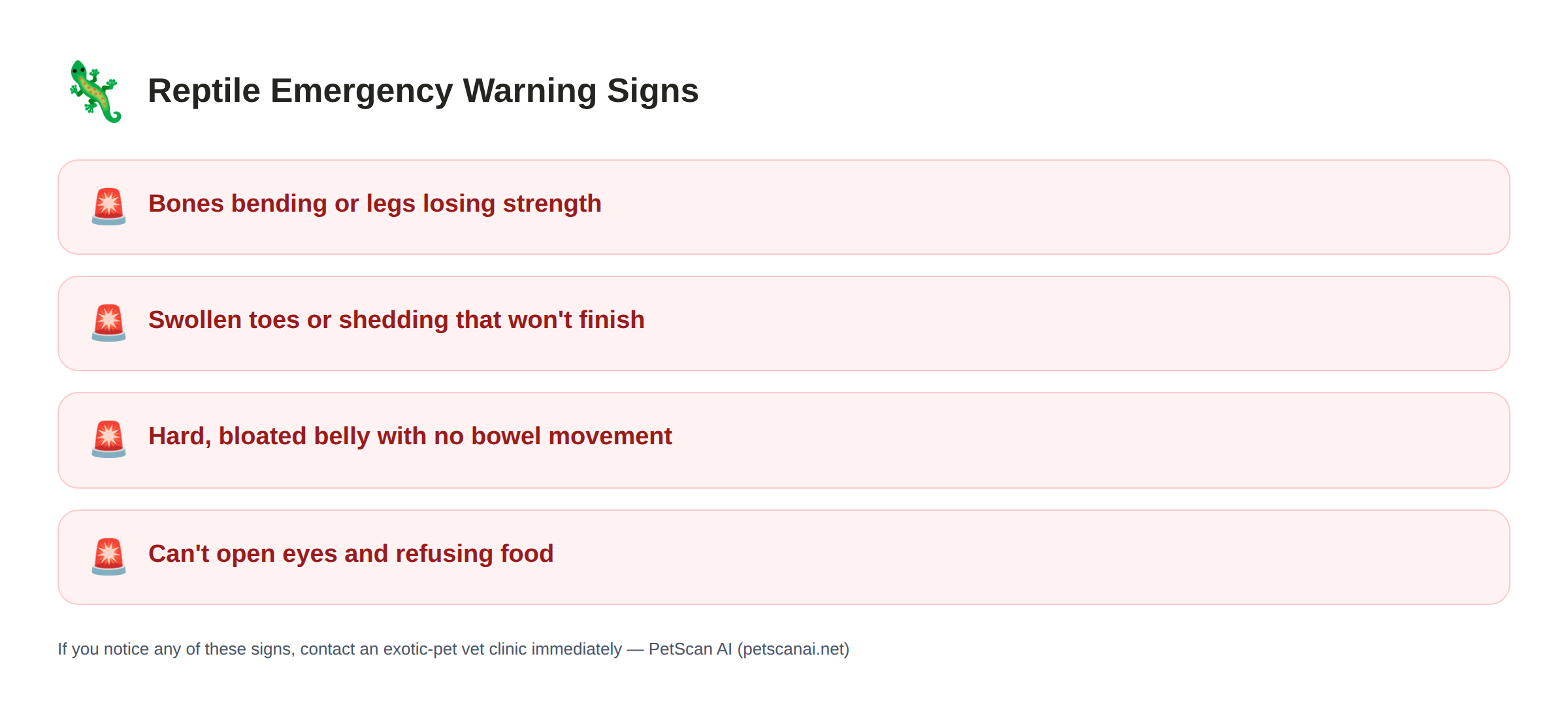
If body weight has visibly dropped, your dragon is lethargic and limp, or stool abnormalities (diarrhea, blood) appear alongside the loss of appetite, this may not be simple seasonal appetite loss. If they go a full 2 weeks or more without eating at all, or you can see them getting thin, it's safer to have an exotic vet check for parasites or a metabolic condition.
🏥 Find a vet that treats exotic pets →
Frequently Asked Questions
My bearded dragon hasn't eaten in days — I heard it could just be seasonal. Should I still go to the vet?
If body weight has visibly dropped, your dragon is lethargic and limp, or stool abnormalities (diarrhea, blood) appear alongside the loss of appetite, this may not be simple seasonal appetite loss. If they go a full 2 weeks or more without eating at all, or you can see them getting thin, it's safer to have an exotic vet check for parasites or a metabolic condition.
What should I check at home before going to the vet?
Measure the basking spot temperature directly with a thermometer (guessing by hand is inaccurate), and check the UVB light exposure time (10-12 hours a day) and the bulb replacement schedule (usually every 6 months to 1 year). Also look for accompanying changes in stool, eyes, or body weight.
Wondering how your pet is doing right now? Check in 3 seconds with a photo.
Free AI scan →Related guides
Leopard Gecko Dysecdysis (Poor Shedding): Causes and What to Do · Turtle Eye Problems: Causes and Emergency Care · Reptile Impaction: How to Check
← Back to scanner · Care Guides · About · FAQ
📄 Printable summary of this guide — Emergency checklist PDF

This guide is provided by PetScan AI (petscanai.net). Scan the QR code to check your pet with AI right away.